United Nations emblem United Nations Mauritius & Seychelles
World Environment Day 5 June 2025

World Environment Day · 5 June 2025

Two Islands, One Ocean.

By Shanille Lesperance

Seychelles & Mauritius · Indian Ocean

Nature · Flora · Ocean · Geology

scroll
#NowForClimate, World Environment Day, UN Environment Programme
Indian Ocean coral reefs under severe bleaching pressure Hawksbill turtle, critically endangered Dodo extinction 1681, a warning from Mauritius Seychelles paradise flycatcher, under 3,000 remaining Sea level rise threatens low-lying island coasts Invasive species devastate endemic biodiversity daily Indian Ocean coral reefs under severe bleaching pressure Hawksbill turtle, critically endangered Dodo extinction 1681, a warning from Mauritius Seychelles paradise flycatcher, under 3,000 remaining Sea level rise threatens low-lying island coasts Invasive species devastate endemic biodiversity daily
United Nations Mauritius & Seychelles · World Environment Day 2025

One Ocean. Shared Stewardship.
Two island nations, one responsibility.

For World Environment Day 2025, the UN in Mauritius and Seychelles spotlights two Small Island Developing States bound by one ocean.

Custodians of vast exclusive economic zones and globally significant biodiversity, both nations carry responsibilities that reach far beyond their shores — for ocean governance, climate resilience, and species found nowhere else.

This feature is about that shared stewardship, and why it has to hold.

A shared visual language.

National symbols speak the same language as the landscape — colours pulled from sea, forest, and sky.

Each flag carries its own constitutional meaning. Together they map a shared Indian Ocean identity where land, sea, and people are inseparable.

Republic of Seychelles

Adopted 1996 · Five oblique bands

×
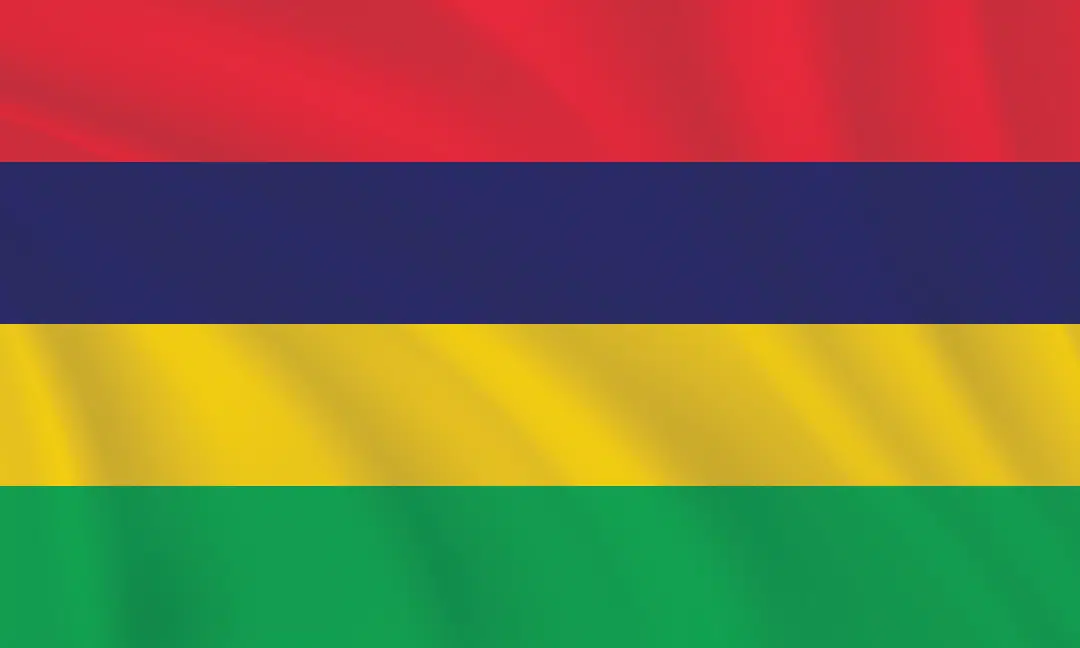
Flag of Mauritius
Republic of Mauritius

Adopted 1968 · Four horizontal bands
Blue → the Indian Ocean and the marine resources it sustains
Green → the forests, agricultural land and terrestrial biodiversity
Yellow → the natural light of the region
0
million years
Seychelles granite age
0
million years
Mauritius volcanic age
0%
of Seychelles' ocean territory is protected
0+
km
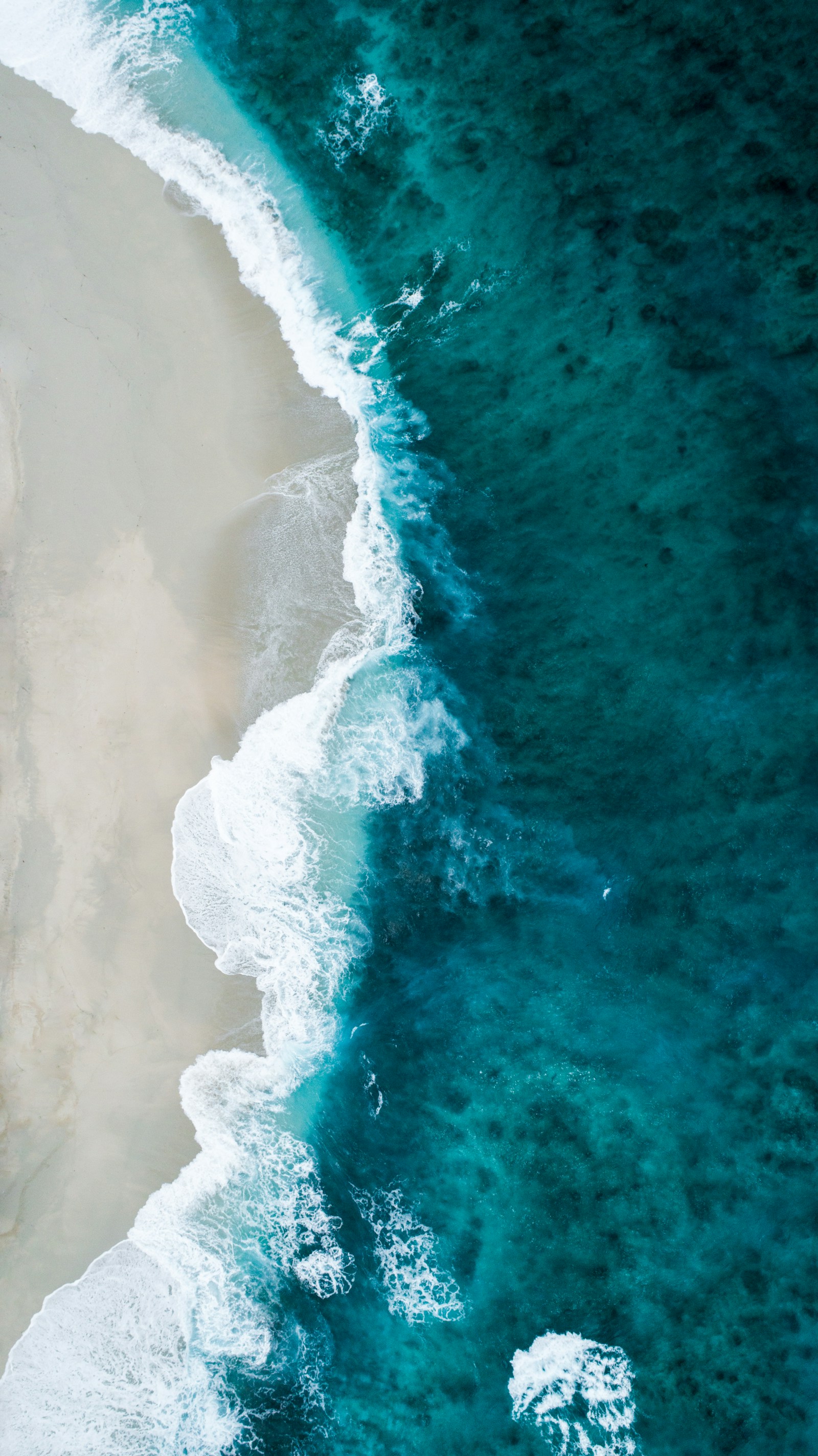
Coastline surrounded by coral reefs in Mauritius
The Indian Ocean, turquoise water meeting open sky

The Blue

Ocean animals of Seychelles & Mauritius

01
The Blue

Ocean Animals 🌊

Seychelles

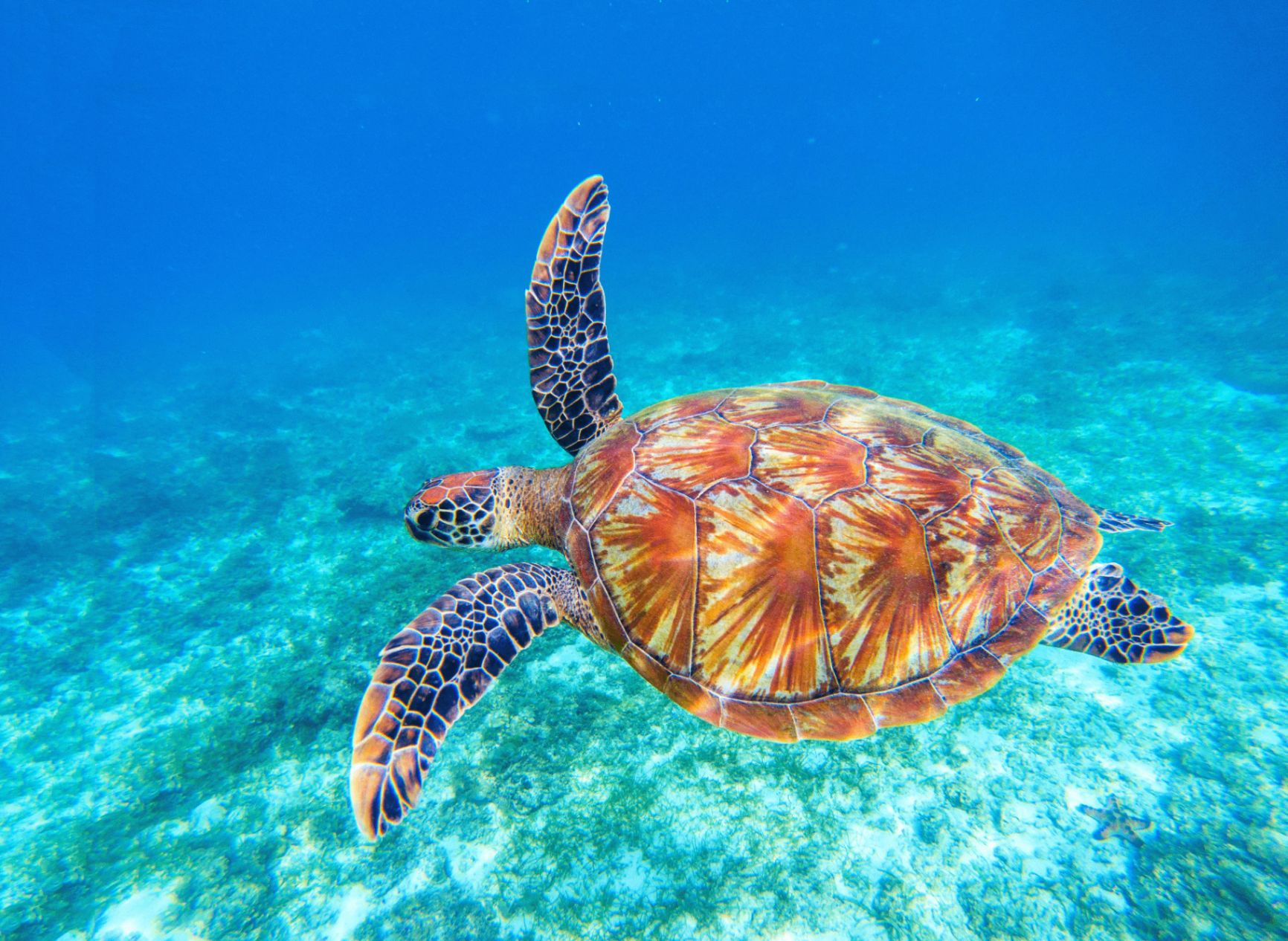
Green & Hawksbill Turtle

Aldabra Atoll and Bird Island are among the Western Indian Ocean's most important green turtle nesting sites. Critically endangered hawksbills return to the same beaches year after year.
UNESCO Aldabra Atoll is a UNESCO World Heritage Site, one of Earth's best-protected marine ecosystems.
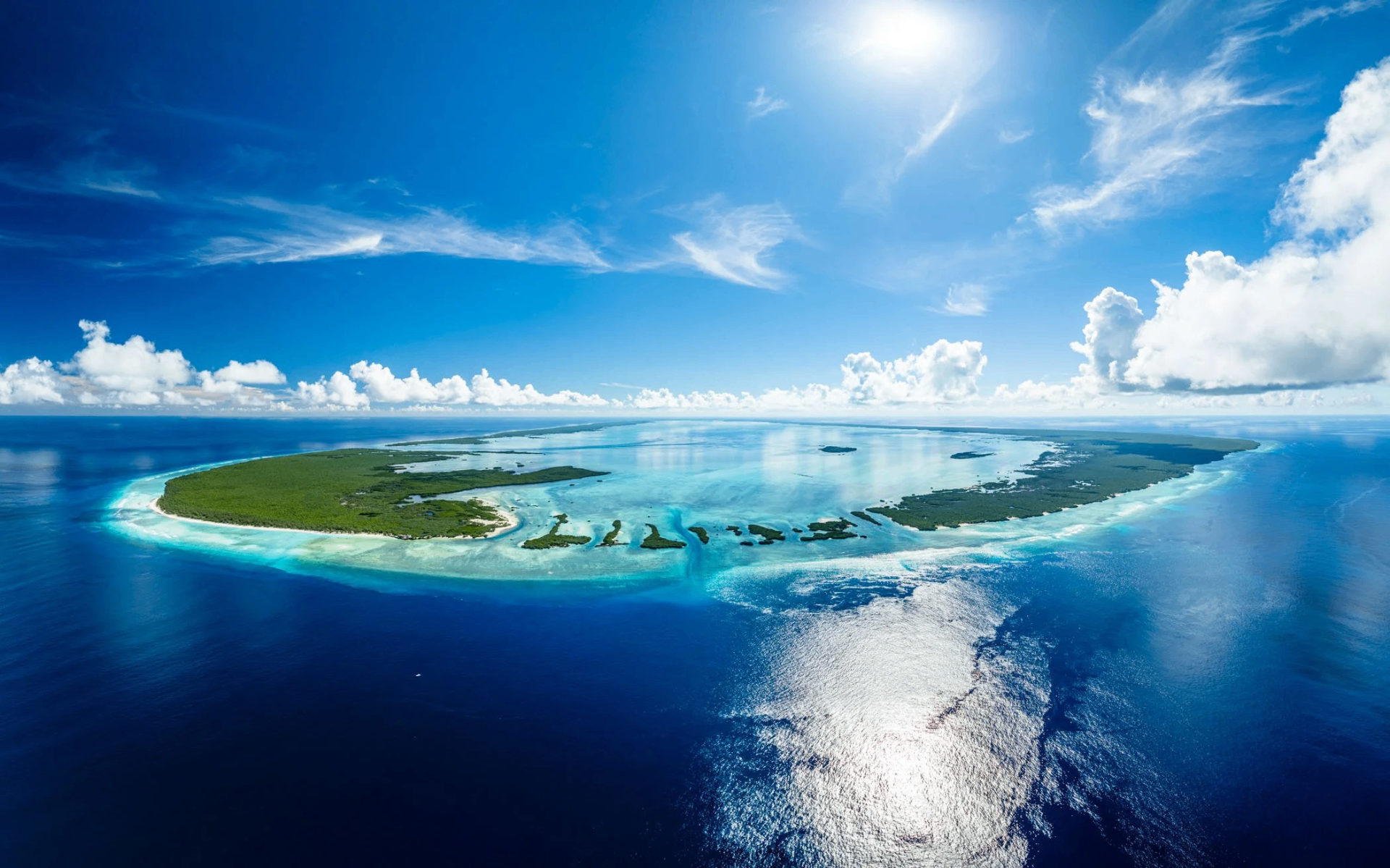
Aerial view of Aldabra Atoll, Seychelles
Aldabra Atoll, UNESCO World Heritage Site and one of Earth's most pristine marine ecosystems.
both nest here
Mauritius

Green & Hawksbill Turtles 🐢

Both species nest on Mauritius' offshore islands, including Île aux Aigrettes. Young greens graze the seagrass of Blue Bay Marine Park; hawksbills patrol the reefs, keeping coral healthy.
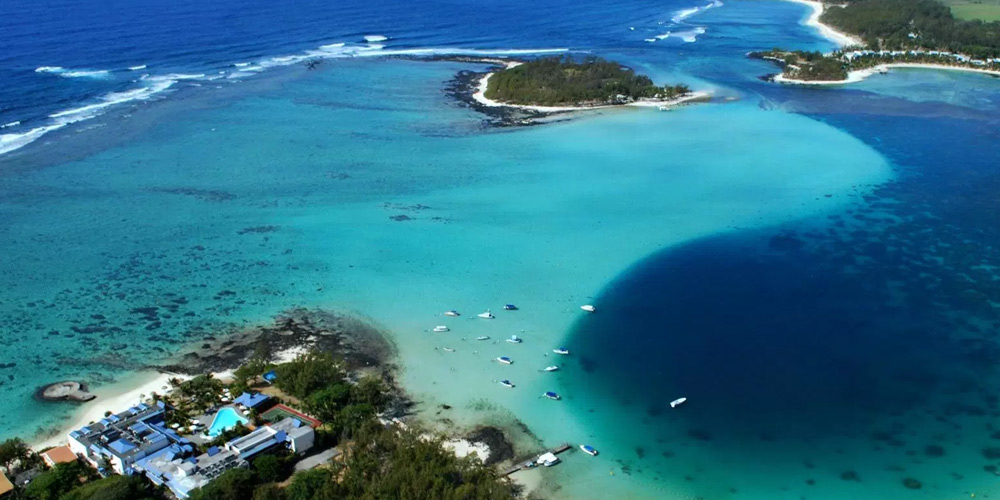
🪸 Blue Bay is one of the best-preserved coral lagoons in the Indian Ocean.
Aerial view of Blue Bay Marine Park, Mauritius
Blue Bay Marine Park, a protected coral lagoon and feeding ground for juvenile green turtles.
Green turtle swimming gracefully over seagrass meadows
A green turtle glides over the seagrass meadows of Blue Bay, a vital feeding ground for these gentle giants.
🤝

Shared fight: Both islands run active turtle conservation. Poaching, plastic, and beach light remain the top threats.

Seychelles Bottlenose dolphin in the turquoise waters of Seychelles

Bottlenose Dolphin

Resident year-round around Mahé and Praslin — sociable, intelligent, and often seen riding the bow waves of inter-island boats.
🧠 Bottlenose dolphins are among the most intelligent animals on Earth, they recognise themselves in mirrors.
shared species
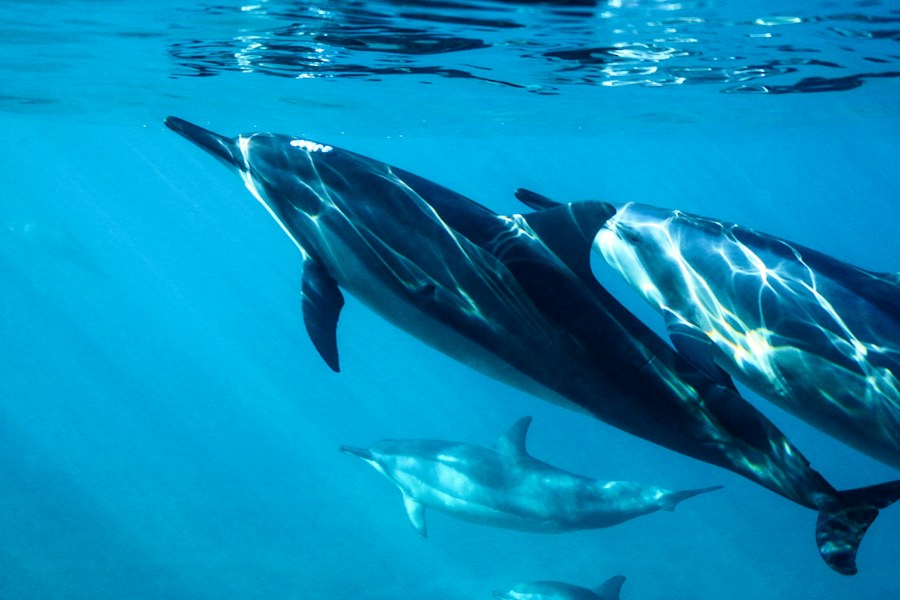
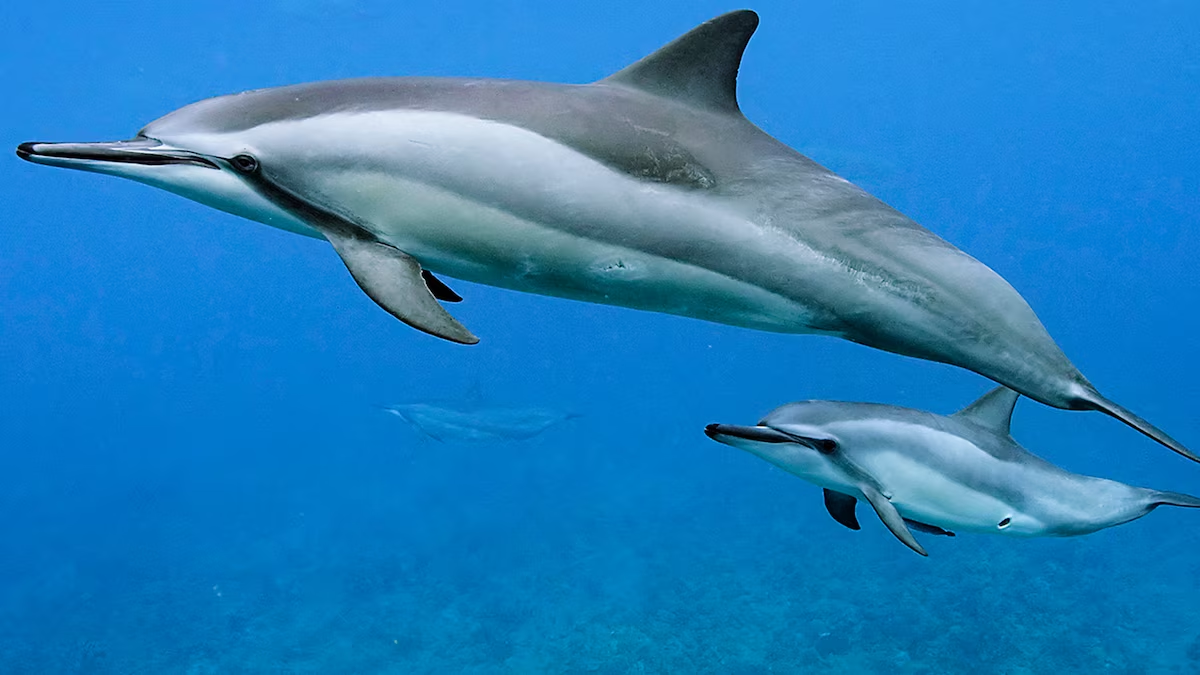
Mauritius Spinner dolphin (Stenella longirostris) off Panglao

Spinner Dolphin

Tamarin Bay on the southwest coast is famous for wild spinner dolphin pods that visit every morning. It's one of Mauritius' most magical wildlife experiences, but one under growing pressure from tourism.

⚠️ Over-tourism from swim-with-dolphin tours is raising serious welfare concerns.
Seychelles

Whale Shark Shared

Regular sightings off Mahé's west coast and near St Anne Marine Park. These gentle giants filter-feed on plankton blooms, gliding calmly near the surface.

📏 Up to 12 metres long, the largest fish on Earth, and completely harmless.
fully protected
Mauritius

Whale Shark Shared

Seasonal sightings off Rivière Noire on Mauritius' west coast. Both countries fully protected whale sharks under national law in the 2010s, a rare win for ocean policy.
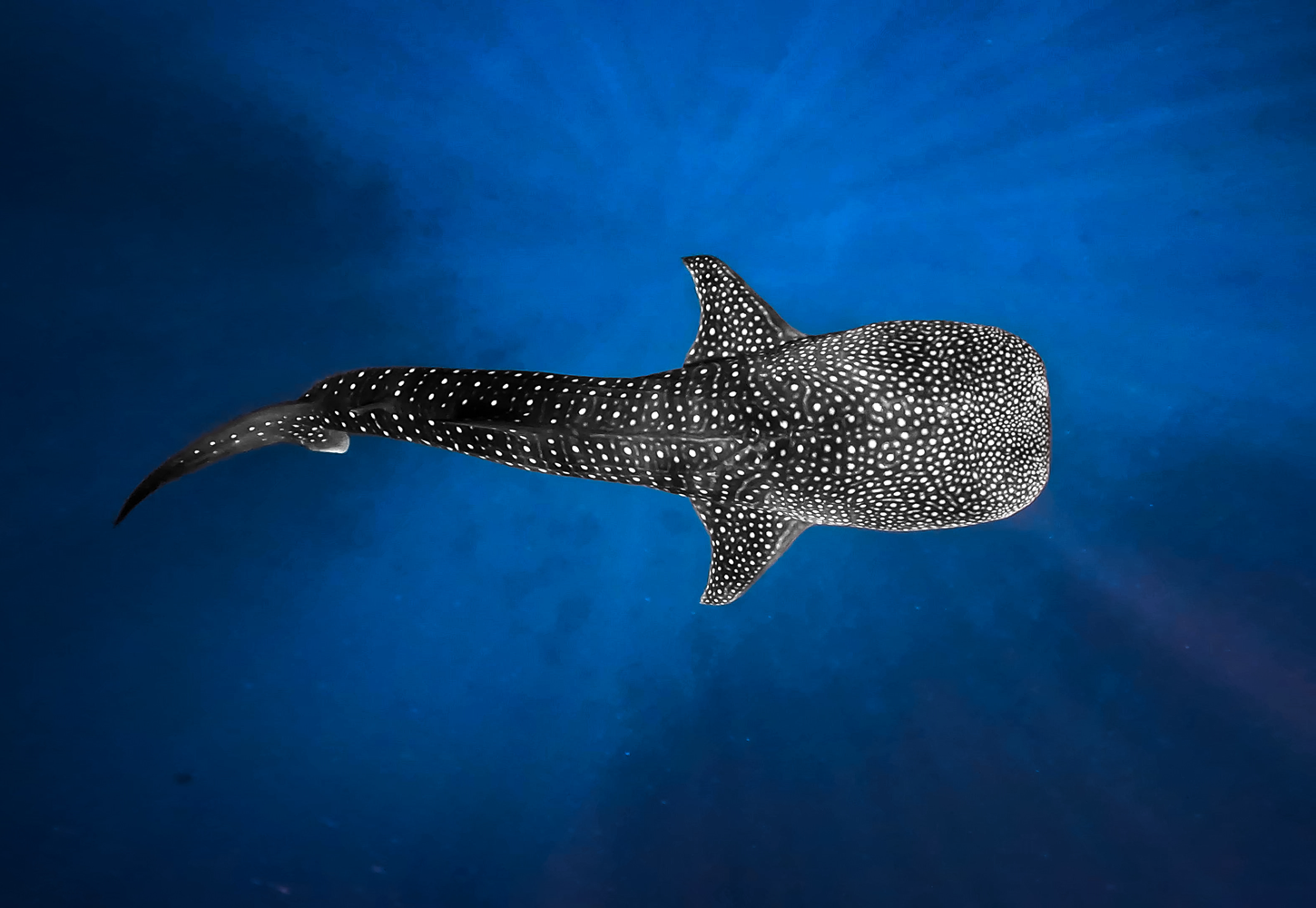
⚖️ Both Seychelles and Mauritius fully protect whale sharks by law.
Whale shark gliding through deep blue water
One ocean, one giant, whale sharks roam the waters of both Seychelles and Mauritius.
"The ocean doesn't care about borders. Neither do the creatures that call it home."
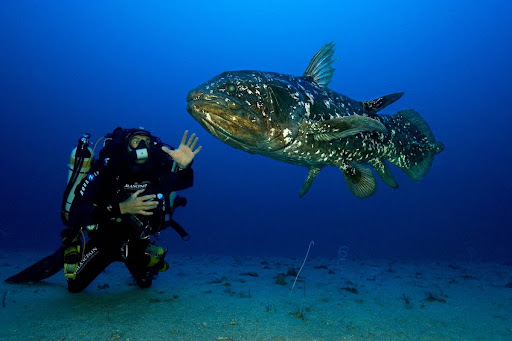
Diver meeting a coelacanth in the deep
Coelacanth, the living fossil of the deep.
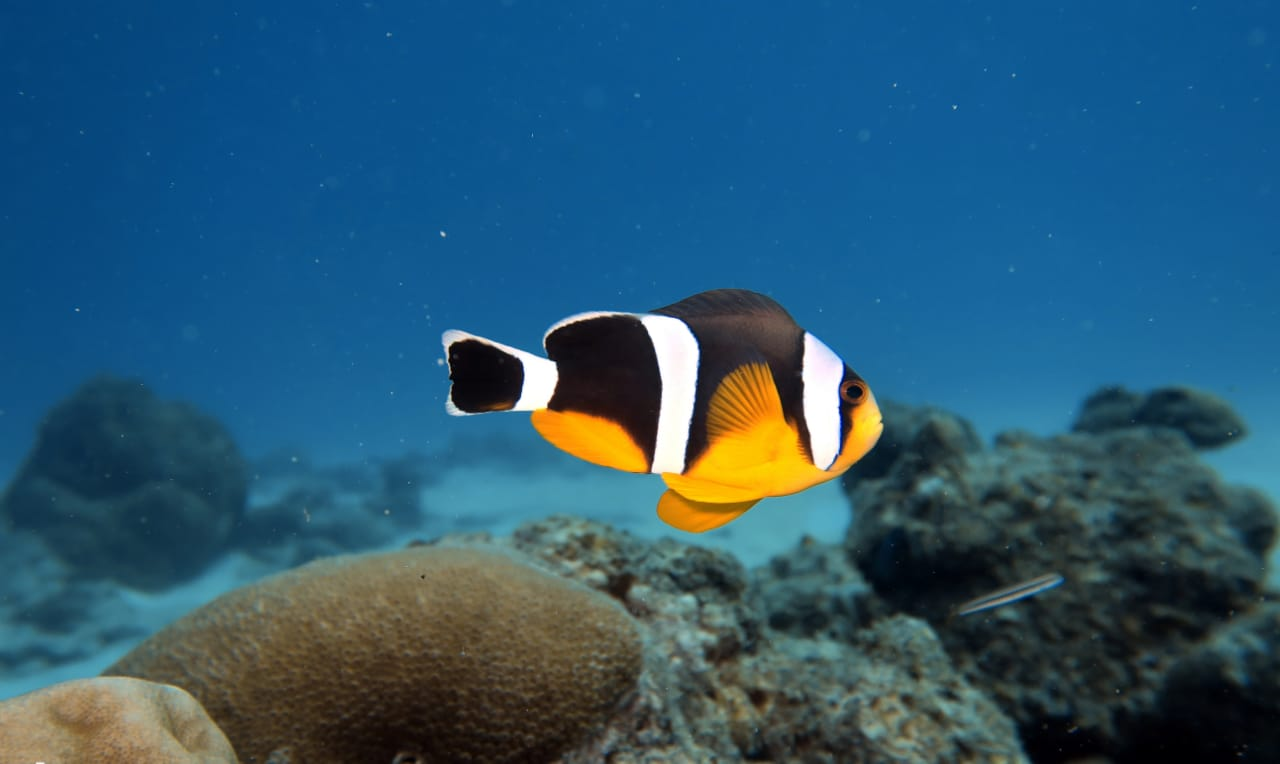
Mauritius Anemonefish (Amphiprion chrysogaster) nestled in its host anemone
Mauritius Anemonefish, found nowhere else on Earth but the Mascarene reefs.
Seychelles Only

Coelacanth Prehistoric

The "living fossil", thought extinct for sixty-five million years, discovered in deep waters near Seychelles and the Comoros. It has barely changed in four hundred million years.

🦕 The coelacanth is essentially a living dinosaur. It predates the dinosaurs themselves.
each unique
Mauritius Only

Mauritius Anemonefish Endemic

Amphiprion chrysogaster lives only on the reefs of Mauritius, Réunion and the Mascarene Plateau, found nowhere else on Earth. Each fish spends its whole life paired with a single host anemone, defending it fearlessly despite being barely 10 cm long.

🐠 A true Mascarene endemic, its entire global range fits inside a few thousand square kilometres of reef.
Tropical forest

The Green

Flora & forests of Seychelles & Mauritius
02
The Green

Flora & Forests 🌿

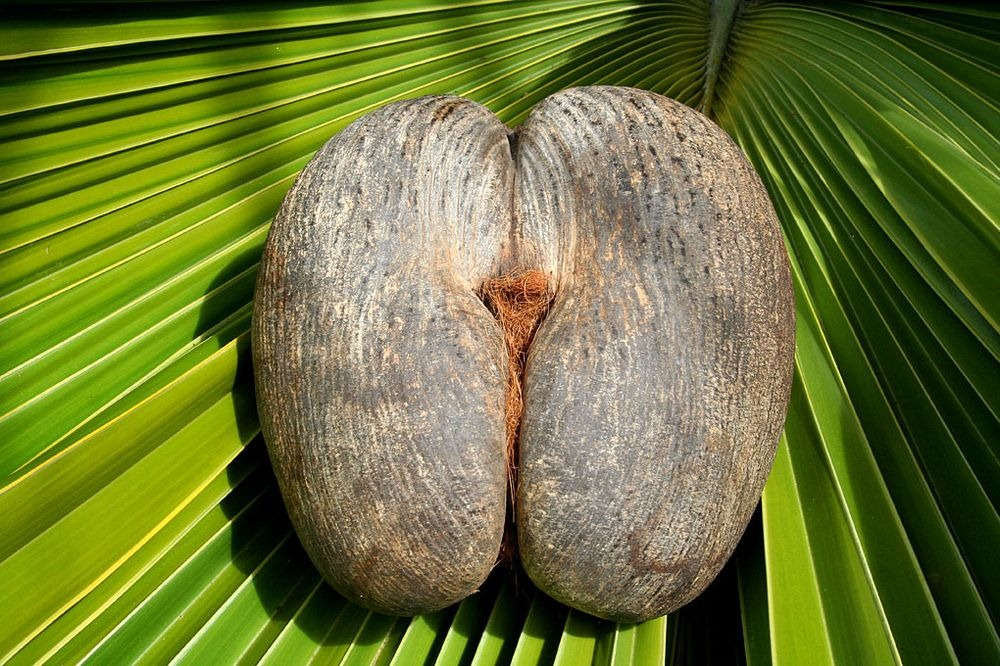
Seychelles Coco de Mer palm with its giant seed, Seychelles

Coco de Mer Endemic

Found only on Praslin and Curieuse, the world's largest seed at up to 25kg. A female palm takes 6–7 years to mature its nut. Early sailors thought it grew on the ocean floor.
🥥 Each flower blooms for exactly one day. Miss it and wait another year.
both palm islands
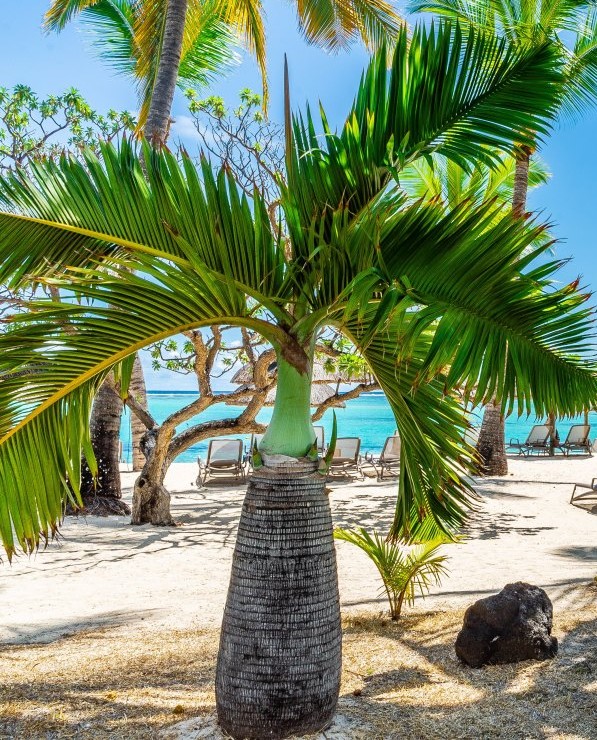
Mauritius Bottle Palm (Hyophorbe lagenicaulis) with its swollen trunk

Bottle Palm Endemic

Native to Round Island north of Mauritius, one of the rarest palms on Earth. Its swollen bulging trunk is unmistakable. Critically endangered in the wild, it's a symbol of conservation urgency.
🏝️ Round Island has no permanent human inhabitants, it's a pure ecological sanctuary.
Seychelles Mangrove tree at Curieuse Island, Seychelles

Mangrove Forests

Mahé's east coast holds Seychelles' most significant mangrove zones. These tangled root systems shelter juvenile fish, filter water, protect coastlines, and store carbon.
🌍 Mangroves store up to 4× more carbon per hectare than tropical rainforests.
both replanting
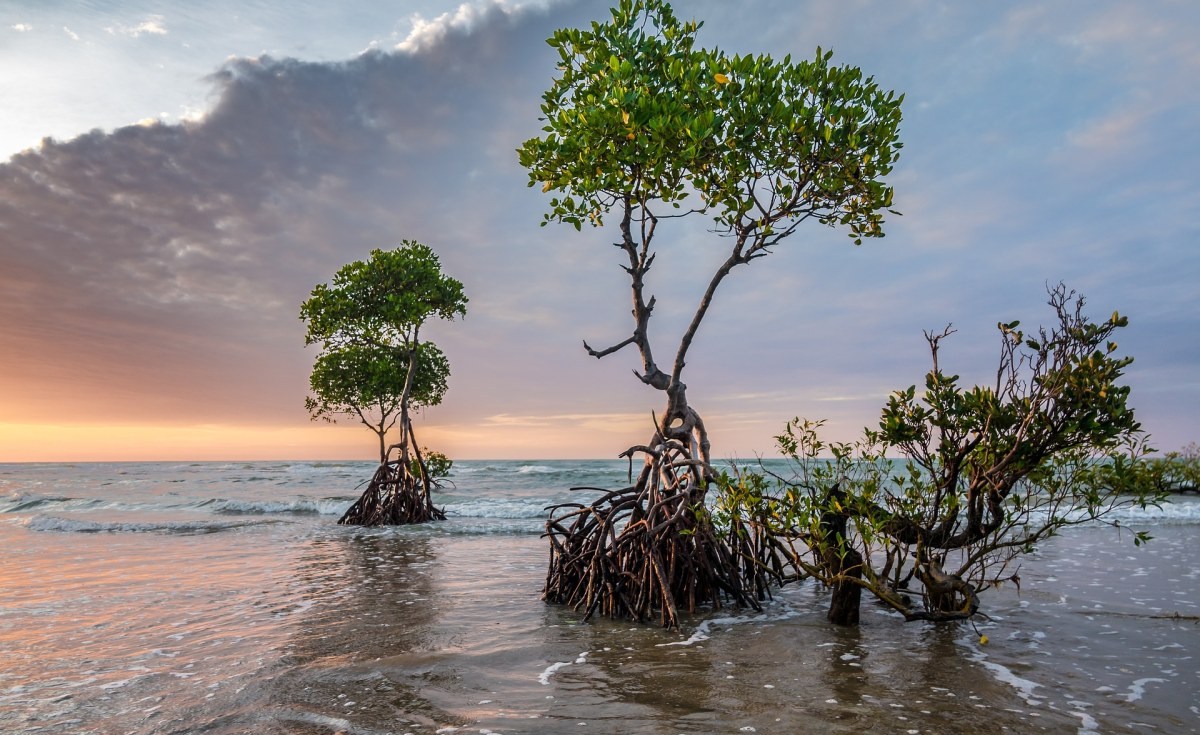
Mauritius Mangrove with prop roots along a tropical coast

Mangrove Forests Shared

Mauritius has mangrove zones along its north and east coasts. Active national replanting programmes are underway, both islands understand their coasts depend on these forests.
🌱 Seychelles launched a sovereign "blue bond" to fund coastal ecosystem restoration.
🌿

Did you know? Aldabra's mangroves store enough carbon to offset nearly half of Seychelles' annual fossil-fuel emissions.

💙

Blue carbon is the new frontier. Seychelles issued the first sovereign blue bond; Mauritius has national replanting targets. Healthier mangroves, healthier reefs.

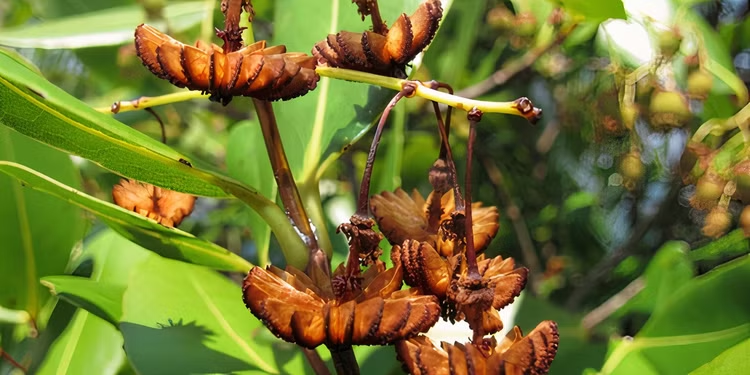
Seychelles Jellyfish Tree (Medusagyne oppositifolia), critically endangered endemic of Seychelles

Jellyfish Tree Endemic

Found only on a few granite slopes of Mahé, Medusagyne oppositifolia was thought extinct until rediscovered in 1970. Its odd jellyfish-shaped fruit gives the tree its name, and fewer than 90 mature individuals remain in the wild.
🌍 One of the rarest trees on Earth, survives nowhere else but Seychelles.
island blooms
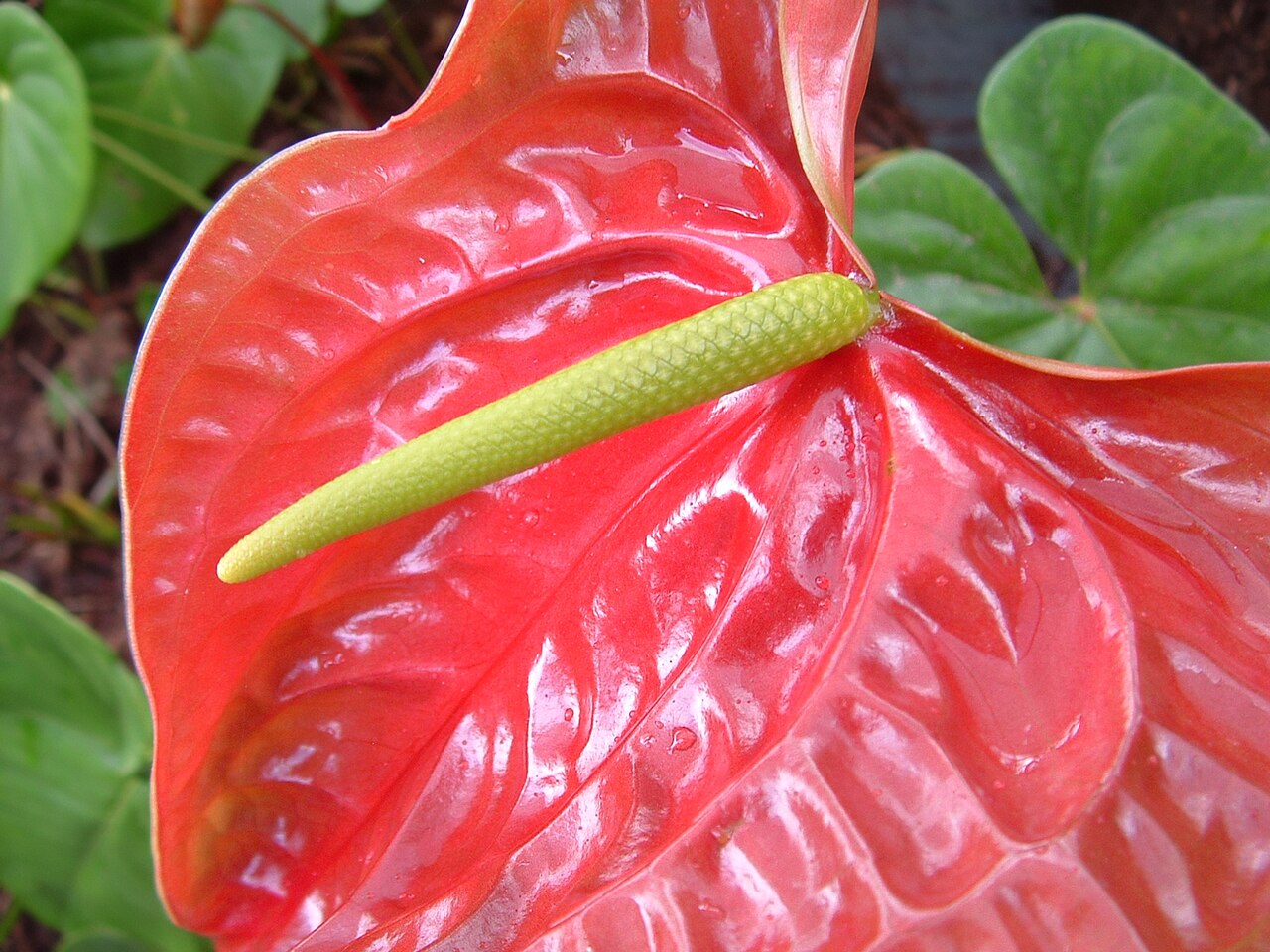
Mauritius Glossy red Anthurium andraeanum flower

Anthurium Famous

Mauritius' most exported bloom, the glossy heart-shaped flower grown in the cool highland mist near Curepipe. Over 2 million exported annually. You've probably seen one without knowing.
💐 The waxy shine isn't wax, it's a specially adapted leaf surface that repels rain and insects.
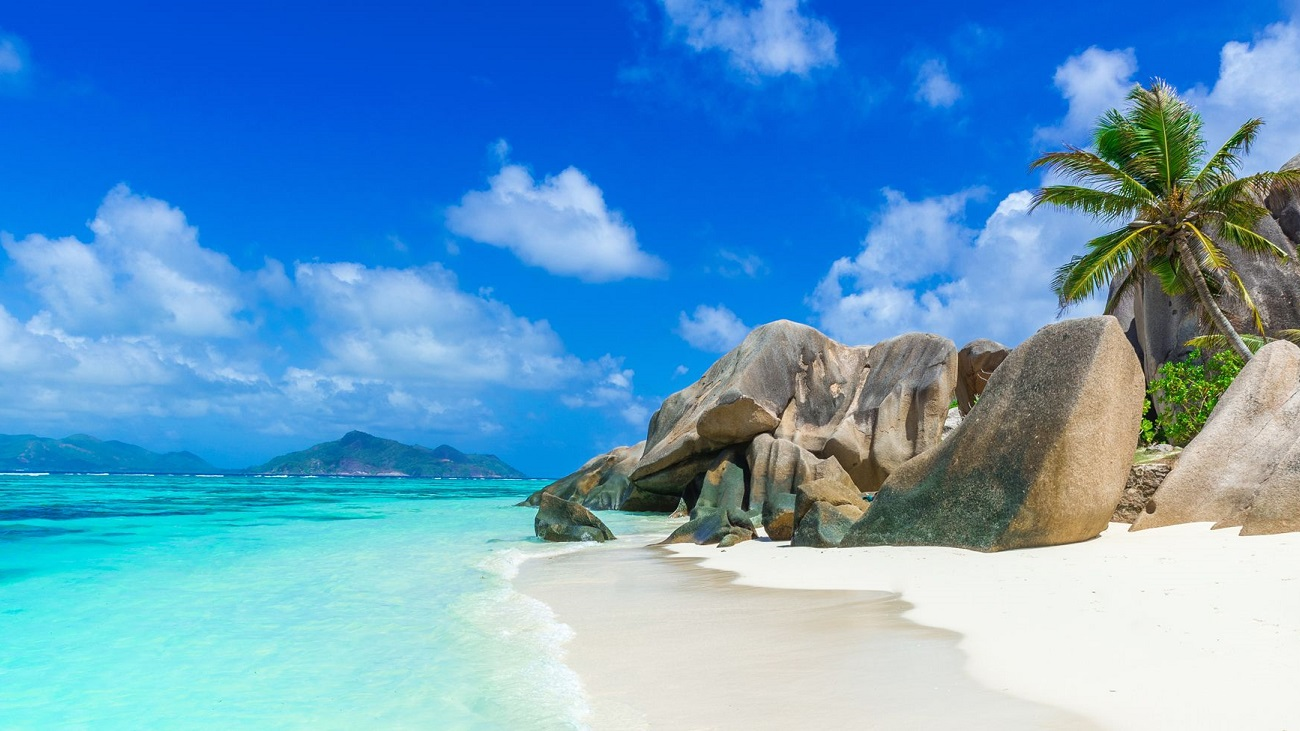
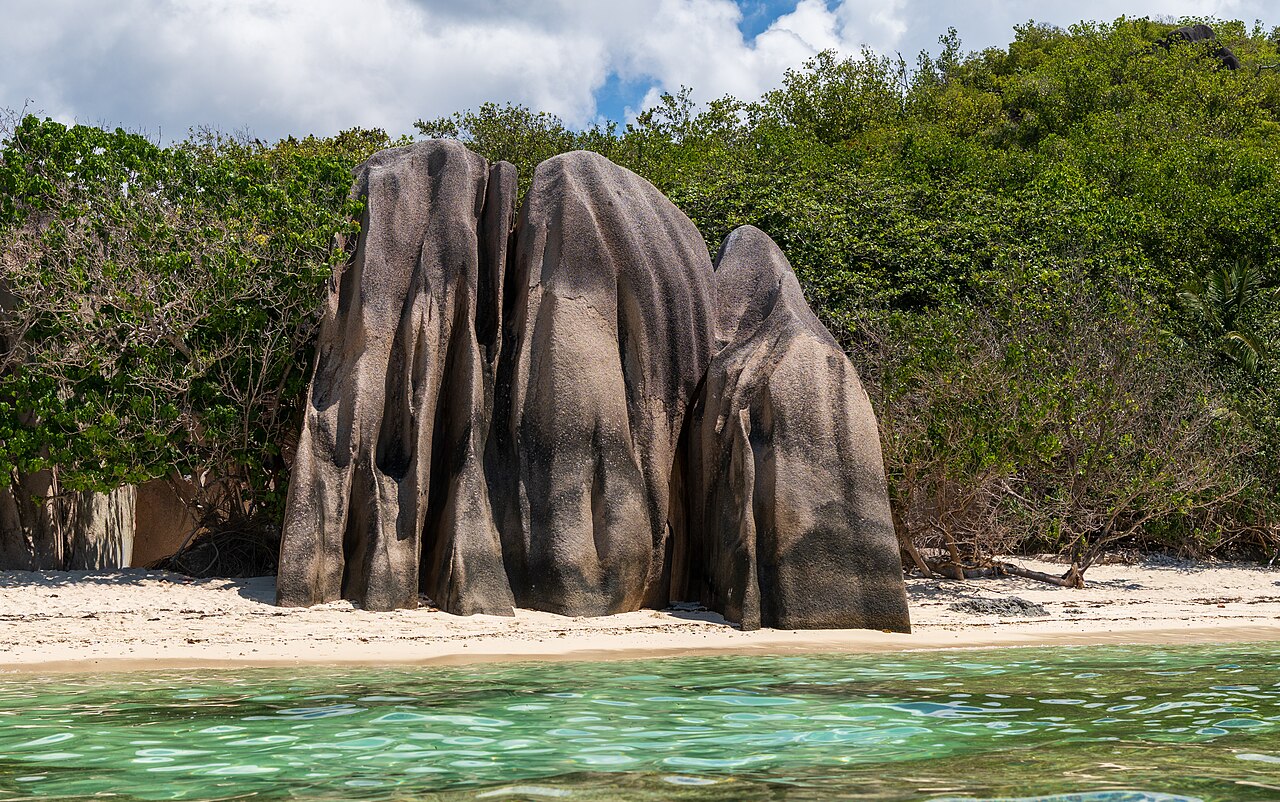
Granite boulders at Anse Source d'Argent, La Digue, Seychelles

The Stone

Geology, where the two islands couldn't be more different
03
The Ground

Rocks & Geology 🪨

Neoproterozoic granite boulders at Anse Source d'Argent, La Digue
Seychelles

Granite, ~750 Million Years Old

The only mid-ocean archipelago on Earth built of granite. The boulders at Anse Source d'Argent are Neoproterozoic crust, splinters of the supercontinent Gondwana. When India tore north toward Asia, Seychelles stayed behind, stranded in deep ocean.

Trou aux Cerfs dormant volcanic crater at Curepipe, Mauritius
Mauritius

Basalt, Born from Lava

Mauritius surfaced from the Réunion hotspot roughly 8 to 9 million years ago. The whole island is cooled lava, the source of its rust-red soils. Trou aux Cerfs, a quiet crater at the heart of Curepipe, is the last whisper of that fire.

🌏

Different origins, one ocean. A continental relic and a volcanic newcomer now share the same warming sea and rising tide.

Seychelles White coral-sand beach at Anse Lazio, Praslin, Seychelles

Coral Sand Beaches

Seychelles' white sand is almost entirely crushed coral and marine organism fragments, the reef, recycled by waves over millennia. No healthy reef means no beach. They're the same thing.
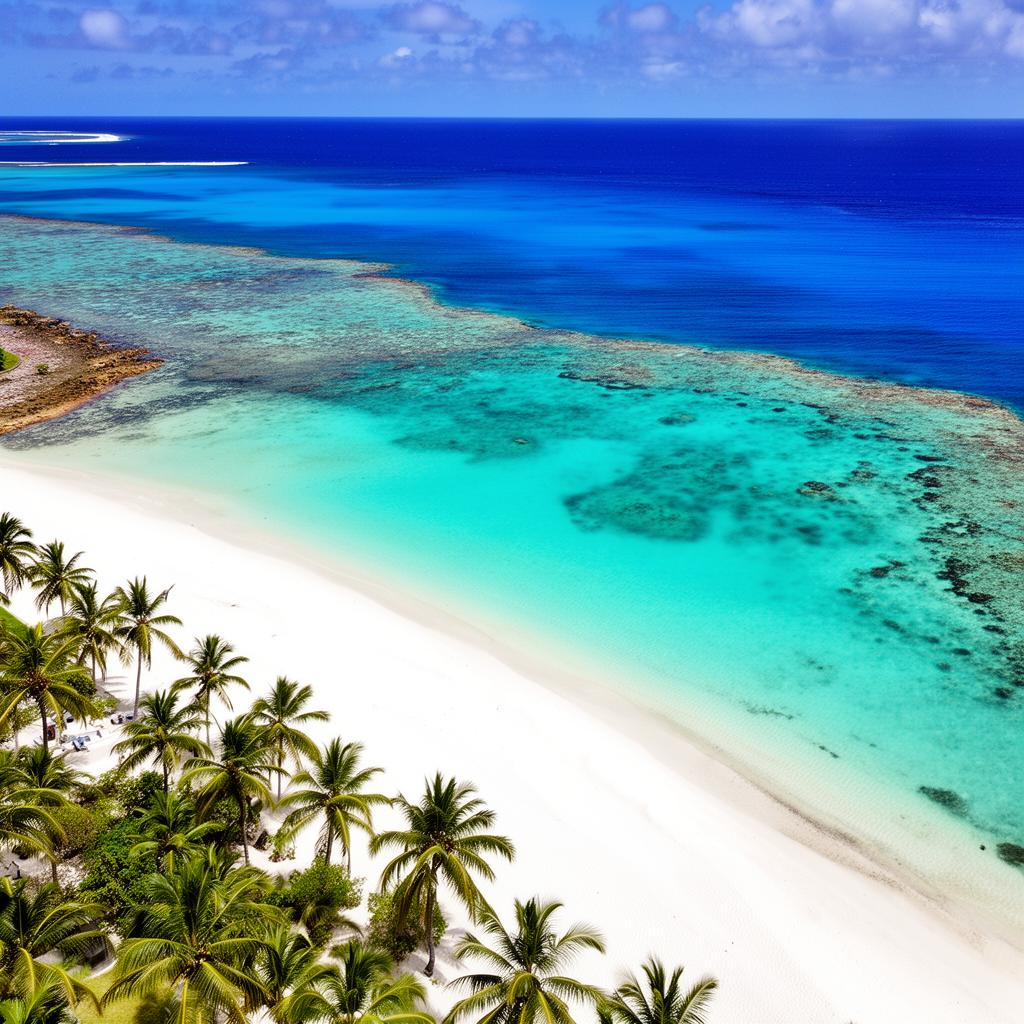
🐠 The white sand beneath your feet is literally dead coral ground down by waves over thousands of years.
both at risk
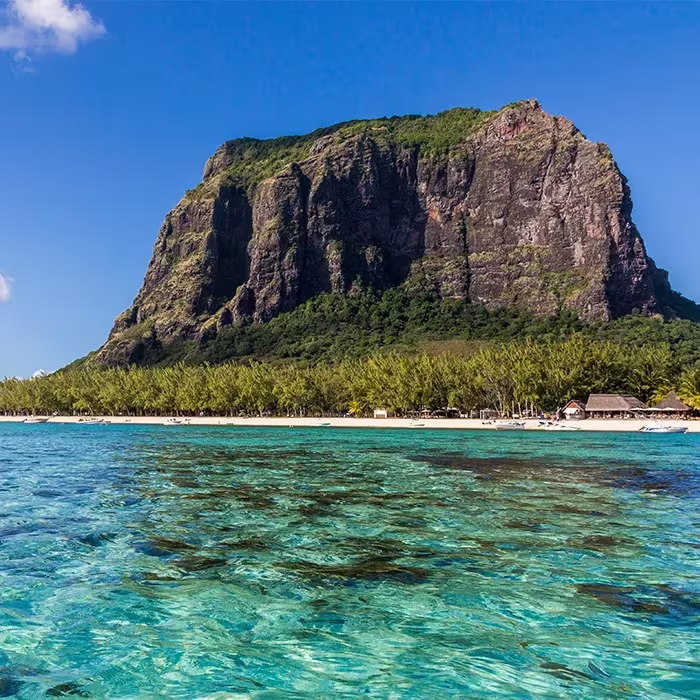
Mauritius White coral-sand beach and turquoise lagoon in Mauritius

Coral-Sand Lagoons

Mauritius is almost completely encircled by a fringing coral reef, cradling 150 km² of shallow turquoise lagoon. Its white beaches, Flic en Flac, Belle Mare, Blue Bay, are crushed coral too, born from the same reef that calms the surf.

🪸 Mauritius' reef belt is one of the longest continuous fringing reefs in the Indian Ocean.
At Risk

Paradise Under Pressure

The beaches that draw visitors from across the world are facing rising threats from climate, human activity, and the very ecosystems that sustain them.

🌊

Rising Sea Levels

Low-lying coasts are losing ground. Outer Seychelles cays already face saltwater intrusion; Mauritius' eastern beaches retreat several metres each cyclone season.

🏖️

Coastal Erosion

Seawalls and dense coastal builds disrupt sediment flow, narrowing beaches. On Seychelles' outer atolls, reef integrity is the only thing holding sand in place.

🪸

Coral Bleaching

The 1998 and 2016 El Niño events ravaged regional reefs — Mauritius lost over half its live coral in 2016. No healthy reef, no new sand.

🏗️

Human Activity

Hotels, marinas and dredging reshape shores; overfishing of grazers lets algae smother reefs. Both nations now regulate coastal setbacks; Seychelles protects 30% of its ocean.

These beaches still exist because conservation works. The question is whether it can outpace the warming.

A geological one-of-a-kind

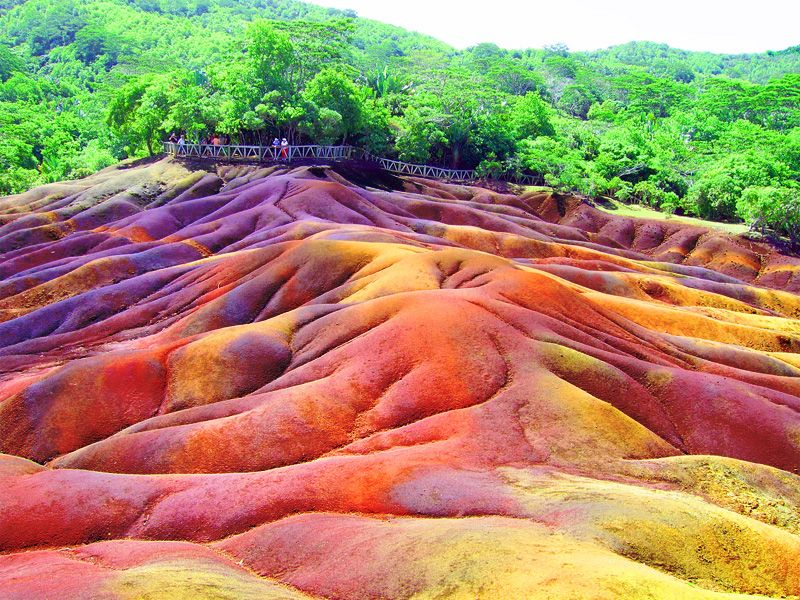
The Seven Coloured Earths

Chamarel, Mauritius, where a single lava flow painted seven colours into the ground.

Seven Coloured Earths of Chamarel, Mauritius

One eruption. Seven colours.

At Chamarel, weathered basalt has separated into bands of red, brown, violet, green, blue, purple and yellow — one eruption, cooled at different rates.

Mix the colours and they spontaneously settle back into their original layers. Nothing else on Earth does this.

🎨 Iron and aluminium oxides give each band its colour, a natural painter's palette in soil.
Seychelles protects 30% of its ocean, a global leader in marine conservation Mauritius kestrel: from 4 birds (1974) to 400+ through sustained conservation Mauritius: 330+ km of coastline surrounded by vibrant coral reefs Echo parakeet: rarest parrot in 1987, now thriving in Black River Gorges Over 80% of Mauritius original forest has been cleared since human arrival Seychelles blue bond, first sovereign debt-for-nature swap, $22M raised Seychelles protects 30% of its ocean, a global leader in marine conservation Mauritius kestrel: from 4 birds (1974) to 400+ through sustained conservation Mauritius: 330+ km of coastline surrounded by vibrant coral reefs Echo parakeet: rarest parrot in 1987, now thriving in Black River Gorges Over 80% of Mauritius original forest has been cleared since human arrival Seychelles blue bond, first sovereign debt-for-nature swap, $22M raised
Did you know?

Spin for a surprising fact.

Eight environmental themes. One fact at a time. Spin the wheel and see what lands.

The wheel is waiting. Give it a spin.
Interactive · 2 min

Can you match it?

Drag each clue onto its matching answer — or tap a clue, then tap the answer.
0 / 4 matched
Tap an answer
04
The Skies

Endemic Birds 🐦

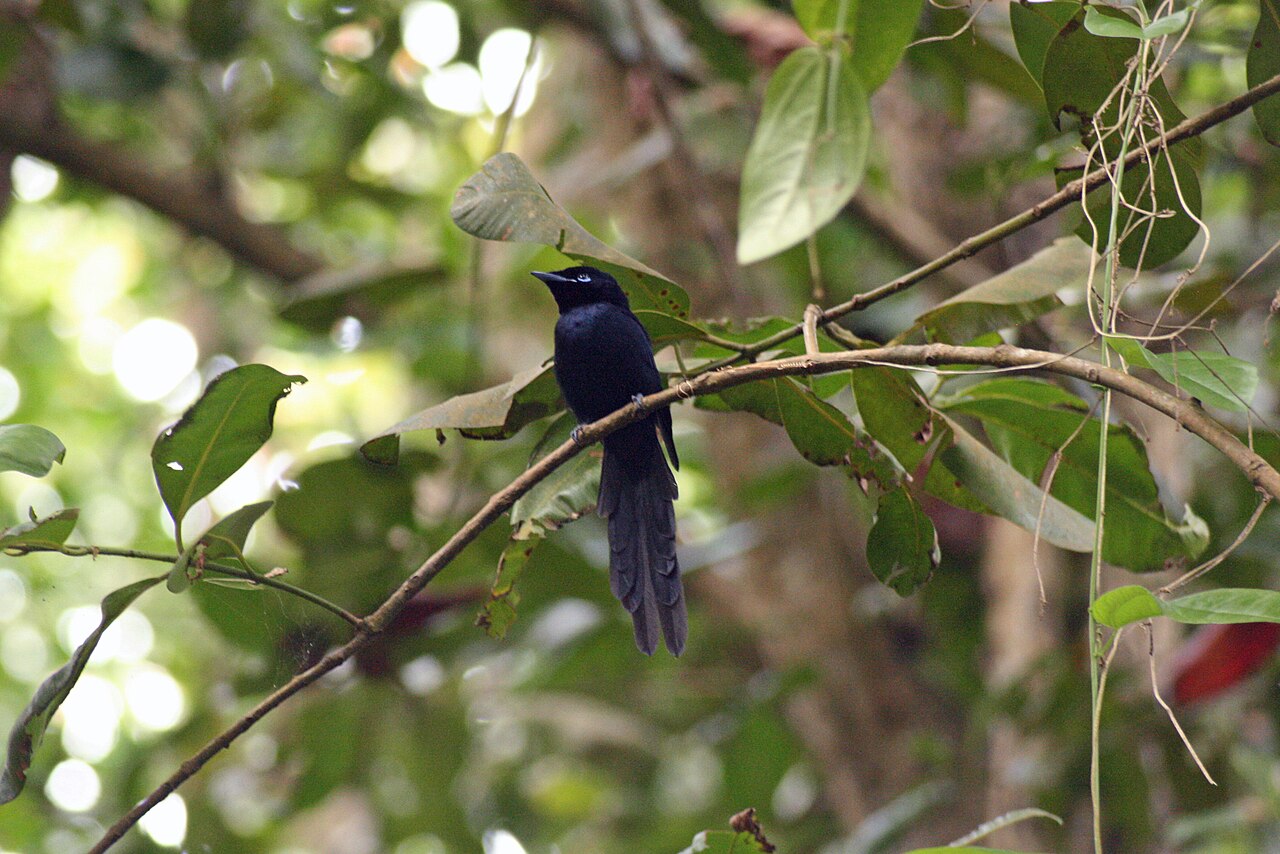
Seychelles Only Seychelles Paradise Flycatcher (Terpsiphone corvina) male

Paradise Flycatcher Endemic

Found only on La Digue. The male has a cobalt-black tail longer than its own body, used to attract mates in the forest undergrowth. Population: under 3,000. Conservation pulled it back from the brink.
💙 The male's extraordinary tail can extend beyond the length of its entire body.
comeback stories
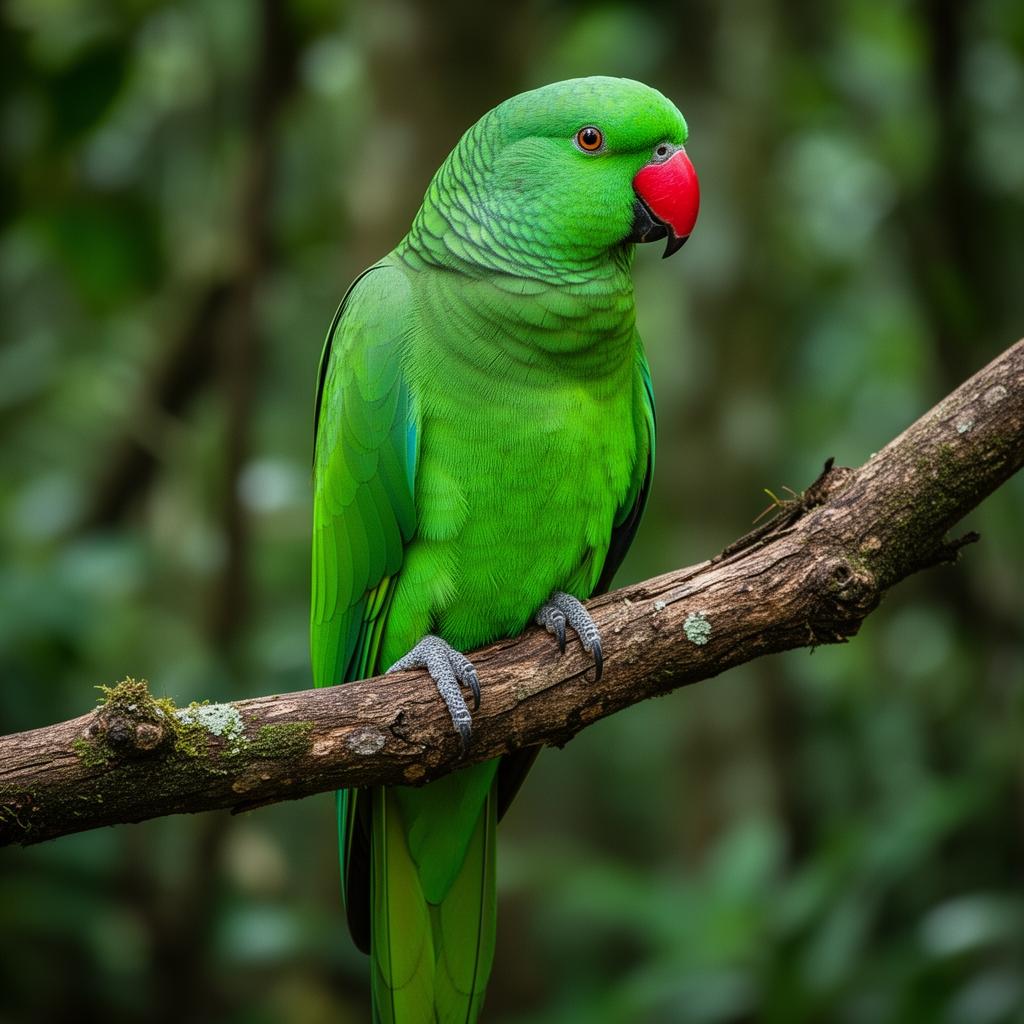
Echo parakeet perched on a branch, full body visible Mauritius only

Echo Parakeet Comeback

In 1987, fewer than 12 individuals remained, the world's rarest parrot. Through sustained breeding programmes, the population now exceeds 750. Only found in Black River Gorges National Park.

✅ The echo parakeet is conservation biology's greatest success story in the Indian Ocean.
05
The Land

Endemic Creatures of Mauritius 🦎

Four survivors from a forgotten ark. Each was minutes from joining the dodo, and each was pulled back by decades of patient, stubborn human effort.
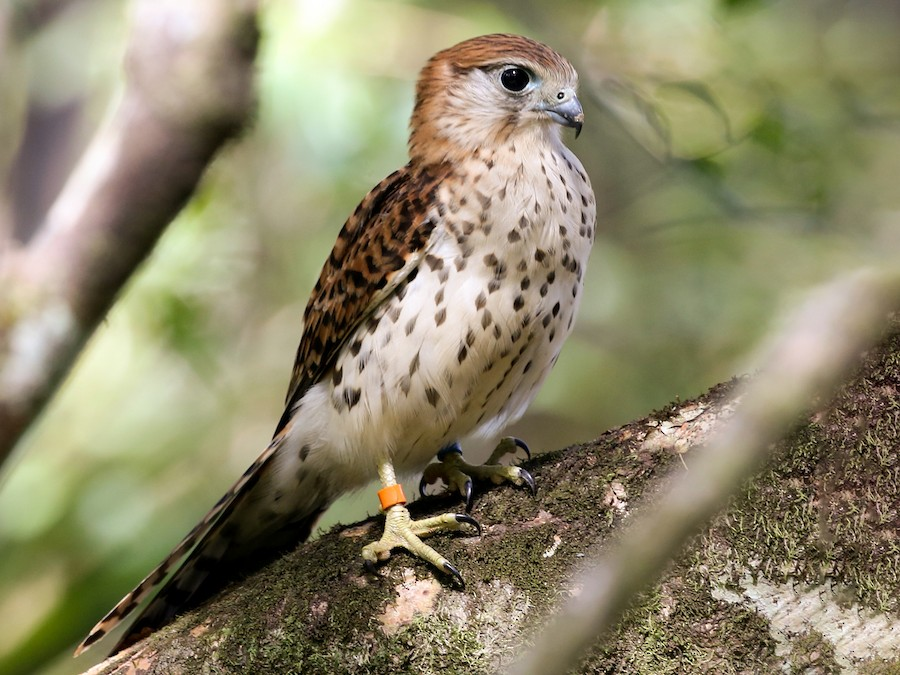
Mauritius Kestrel (Falco punctatus) perched on a branch

Mauritius Kestrel Comeback

In 1974, only four birds remained, the rarest raptor on Earth. Today, over 400 fly above the Black River Gorges.

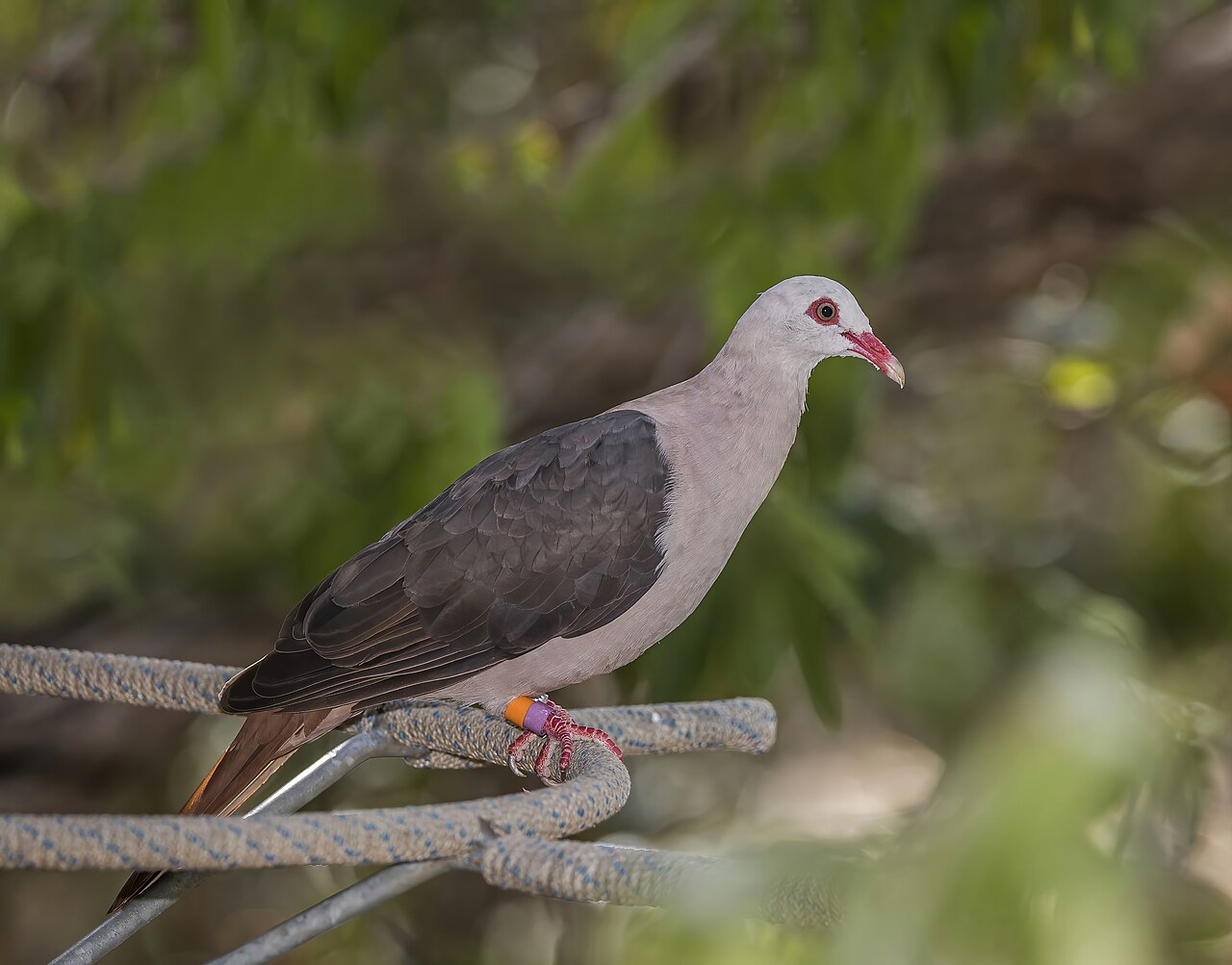
Pink Pigeon (Nesoenas mayeri), endemic to Mauritius

Pink Pigeon Comeback

Down to 10 individuals in the 1990s. Now ~500 strong across Île aux Aigrettes and the mainland forests.

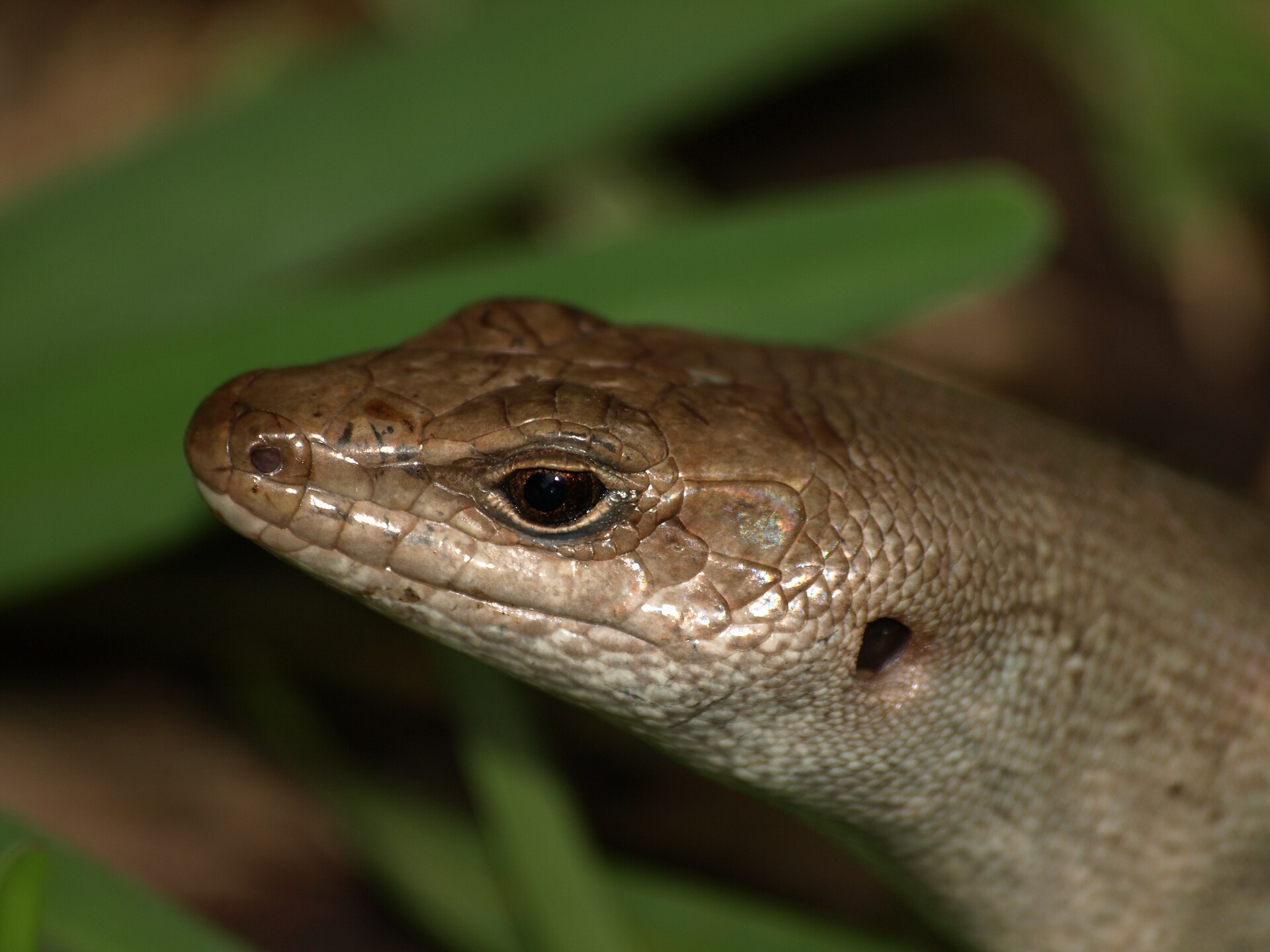
Telfair's Skink (Leiolopisma telfairii) on Round Island

Telfair's Skink Endemic

Survives only on Round Island and a handful of rat-free offshore islets. A glossy living relic of the Mascarenes.

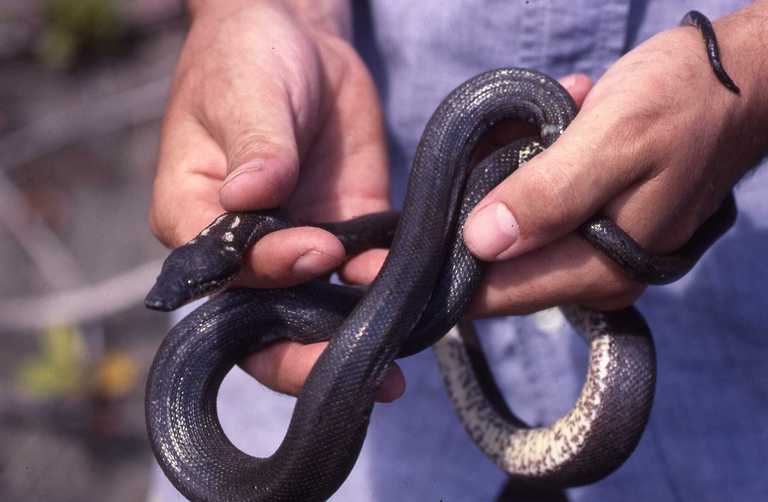
Round Island Boa (Casarea dussumieri), critically endangered Mauritian snake

Round Island Boa Rare

The last surviving member of an entire snake family, Bolyeriidae. Found on a single 1.5 km² island and nowhere else.

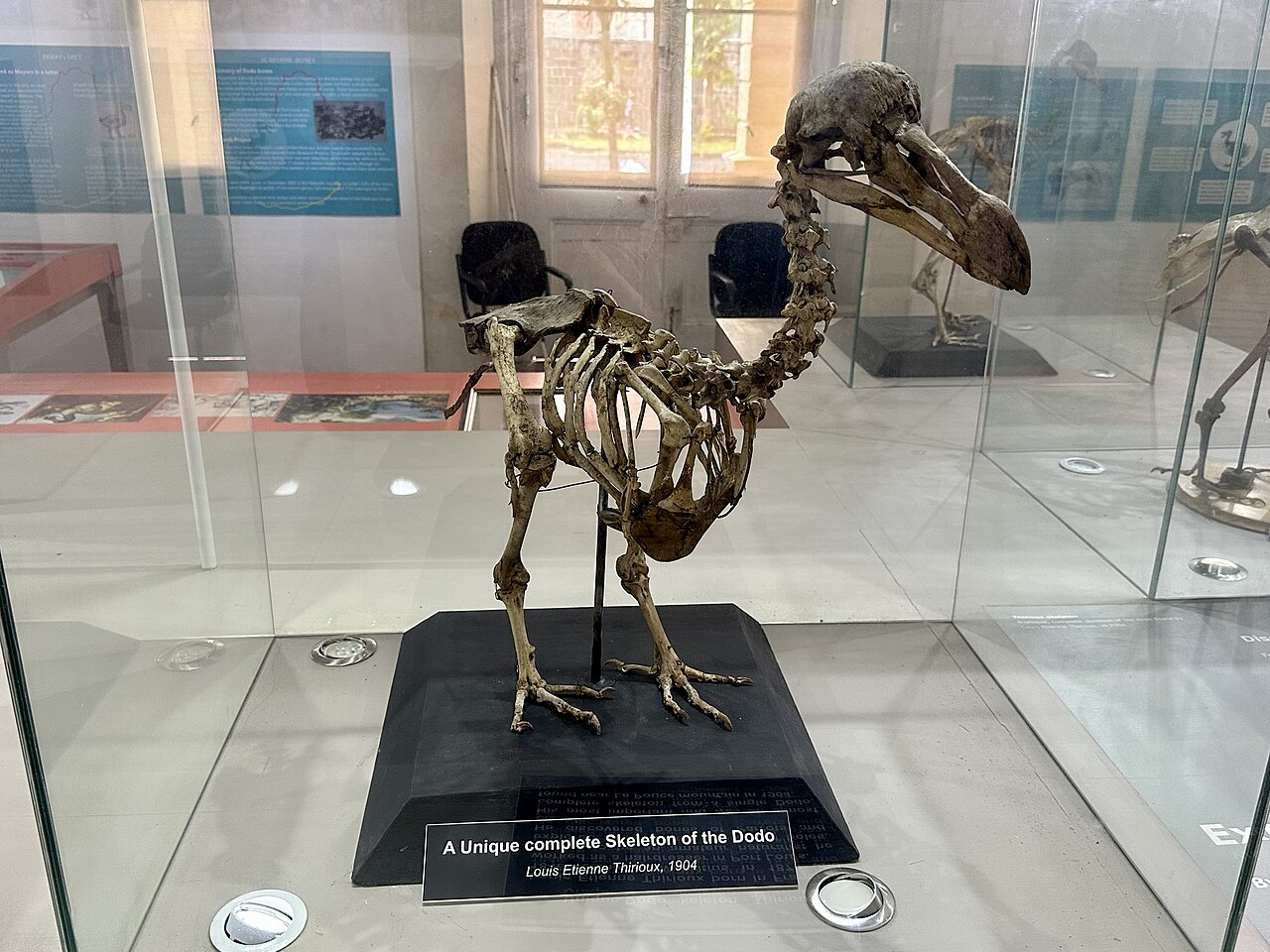
The only complete dodo skeleton, assembled by Louis Etienne Thirioux, Mauritius
The only complete dodo skeleton, Thirioux, Mauritius, 1904.
A lesson from Mauritius

Remember the Dodo.

The dodo (Raphus cucullatus) lived only in Mauritius. Flightless, trusting, and unprepared for sailors, rats, pigs and cleared forests, it was gone within 80 years of human arrival, extinct by ~1681.

It is the most famous extinction in history, and the warning behind every species above. Conservation isn't sentiment, it's the only thing standing between the kestrel, the pigeon, the skink, the boa and the same fate.

Beyond the Postcard

Five frontiers often overlooked.

Reefs and turtles get the headlines. The deeper story runs through trenches, mangroves, landfills, and plants that learned to live with salt.
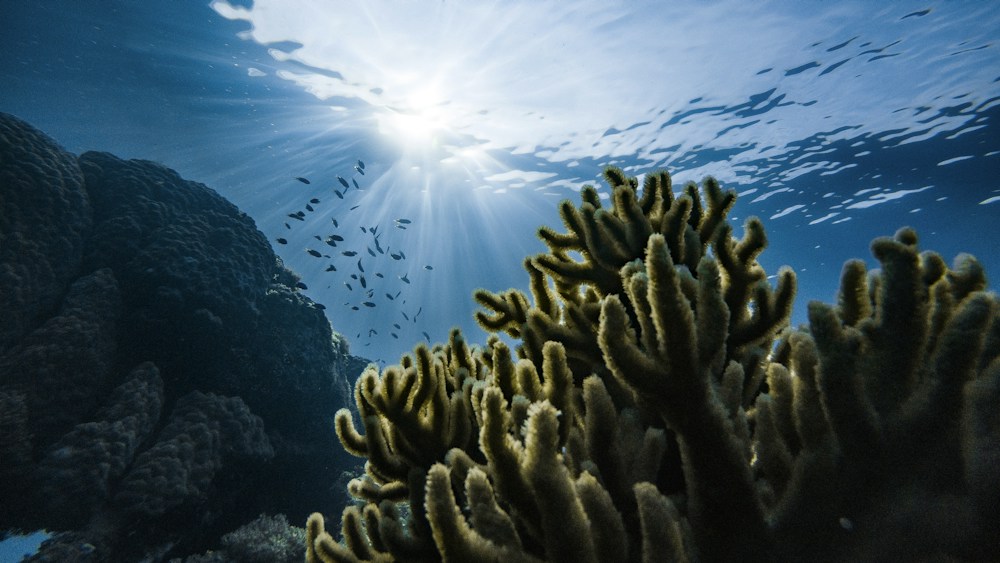
Deep ocean blue water column descending into darkness
01 · Deep-Sea & Ocean Zones

Beyond the coastline, a kilometre down.

The Mascarene Plateau, shared by both nations, is a submerged microcontinent the size of France — seamounts that concentrate pelagic life.

The Saya de Malha Bank holds the world's largest known seagrass meadow. Seychelles' Aldabra Trench drops past 5,000 m into a frontier still being mapped.

02 · Coastal Ecosystem Services

The quiet infrastructure of the shoreline.

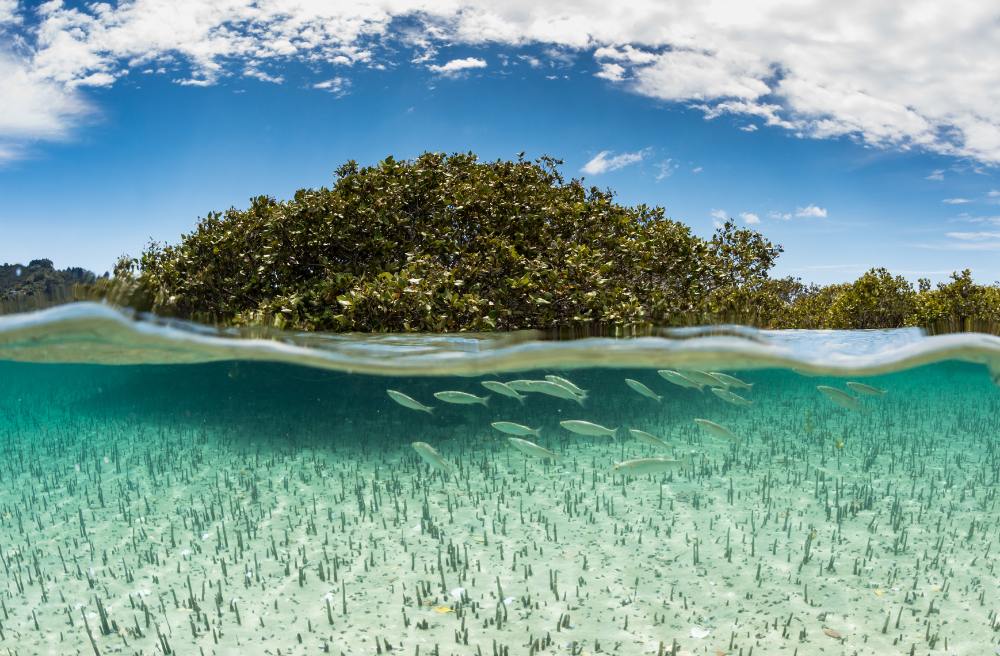
Mangroves and seagrass do the unglamorous work — Mauritius' Le Morne belts buffer cyclone surge; Seychelles' Port Launay Ramsar site safeguards a near-pristine system.

Per hectare, they lock in four times the carbon of tropical rainforest, and nurse nearly every reef fish that later feeds artisanal fisheries.
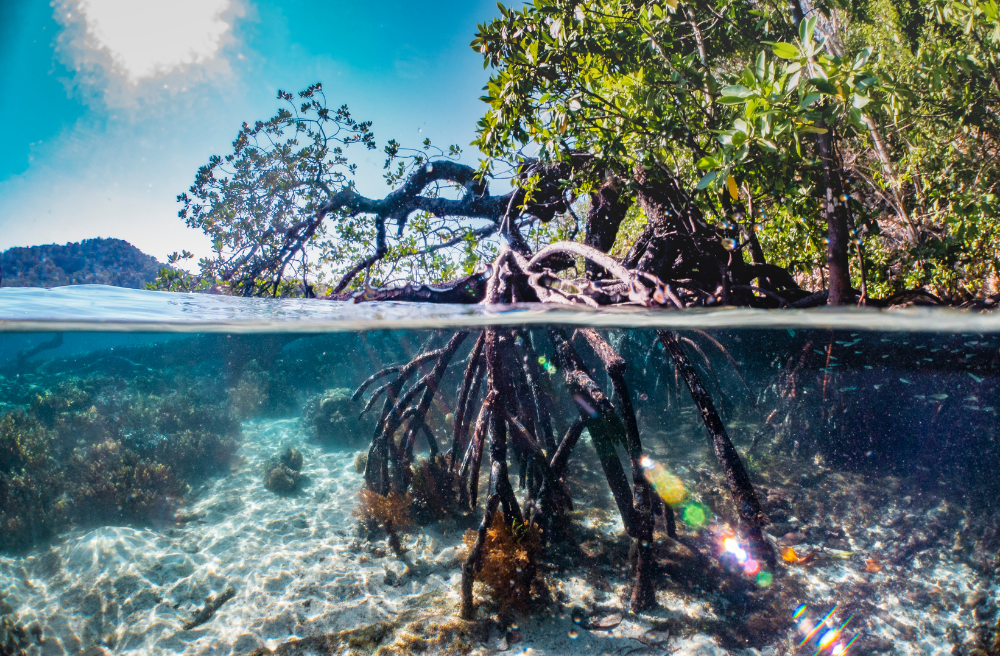
Split-level view of mangrove roots above and below the waterline
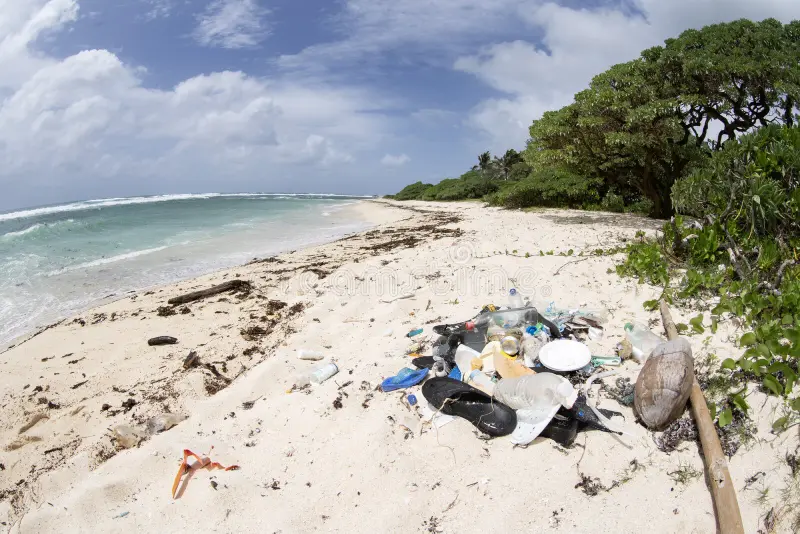
Plastic debris washed up on a remote tropical beach in the Indian Ocean
03 · Plastic & Waste

A landfill problem with no hinterland.

Small islands can't bury their way out. Mauritius' Mare Chicose landfill hit capacity years ago; Seychelles' Providence site faces the same wall.

The harder load arrives by current. The South Equatorial Current dumps plastic from a dozen countries onto Aldabra — beaches no tourist has ever set foot on.

04 · Tourism & Conservation

The economy that pays for conservation also strains it.

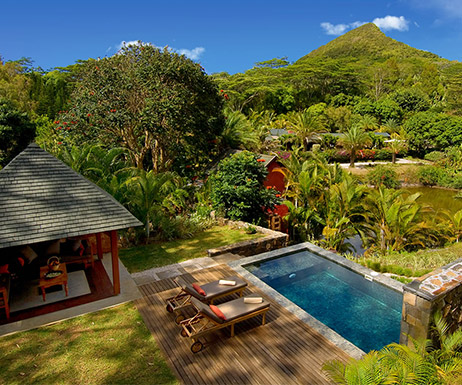
Tourism funds much of conservation on both islands — and stresses the very ecosystems it protects.

Mauritius hosts ~1.4M visitors a year; Seychelles, 350,000+. Concentrated in small, sensitive coastal zones, that pressure shows up as freshwater stress, waste loads, and reef wear.

Both nations are responding with expanded marine protected areas, eco-certification, and tighter visitor-impact rules.
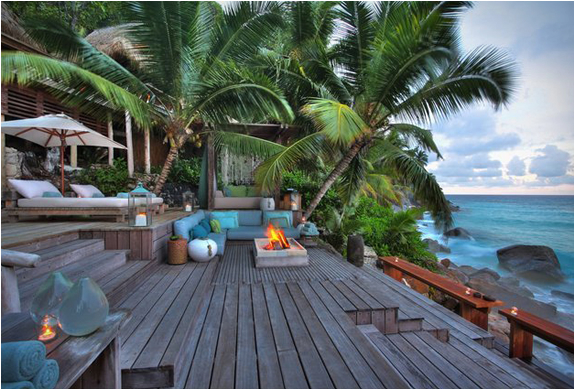
North Island eco-luxury lodge reception area, Seychelles
Seychelles
Lakaz Chamarel Exclusive Lodge, an eco-lodge in Chamarel, Mauritius
Mauritius
04b · Sustainable Tourism

Traveling with the islands, not against them.

Seychelles runs the SSTL certification: 60+ properties meet strict water, waste, energy and community standards. Marine-park fees fund patrols and coral restoration.

Mauritius is expanding eco-certification and carrying-capacity limits at hotspots like Île aux Cerfs. A tourist tax now funnels revenue into environmental management.

The direction on both islands: from volume to value. Fewer all-inclusives, more local guides and citizen science.
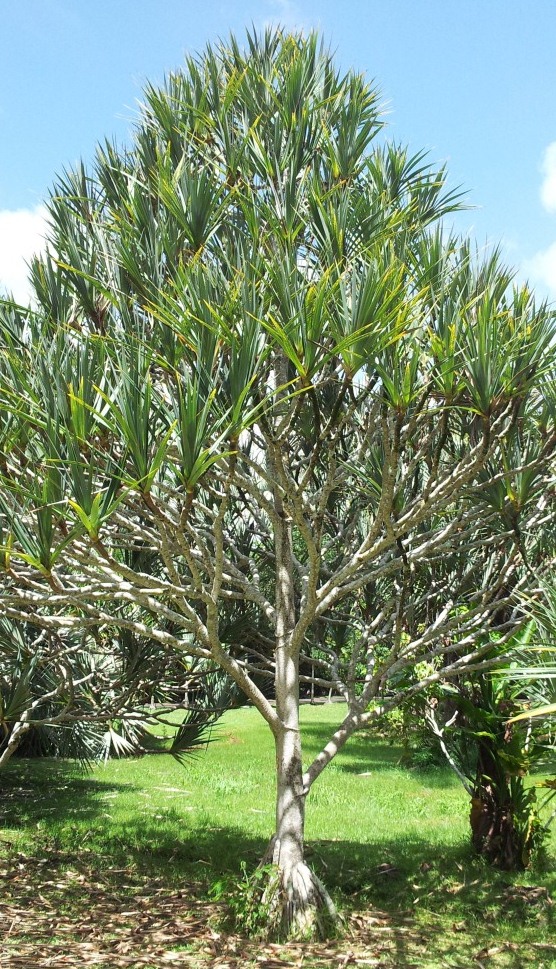
Vacoas (Pandanus utilis) screw pine with characteristic stilt roots in Mauritius
Nepenthes pervillei pitcher plant on a Seychelles granite peak
05 · Endemic Plant Adaptation

Evolution, edited by isolation.

Millions of years of isolation engineered odd solutions. Vacoas grip the ground with stilt roots that shrug off cyclones; Mauritius' bois de fer grew ironwood-dense to survive thin volcanic soils.

On Seychelles' granite peaks, the pitcher plant Nepenthes pervillei traps insects to compensate for poor soil. Once gone, none of these come back.

By the numbers · Field data

A measurable footprint of two small nations.

1.4M
km² Ocean Stewardship

Seychelles' exclusive economic zone, 3,000× larger than its landmass, now under marine spatial planning.

30%
Seas Protected

Mauritius and Seychelles have both pledged to protect 30% of their territorial waters by 2030.

700+
Endemic Species

Combined endemic flora and fauna found nowhere else on Earth, from coco de mer palms to pink pigeons.

25%
GDP from Nature

Tourism and fisheries, both ecosystem-dependent, anchor a quarter of each island economy.

United Nations · Sustainable Development Goals

Two islands shared goals.

The biodiversity of Seychelles and Mauritius doesn't live in isolation, it lives inside a global agenda. These are the SDGs our two nations carry most visibly on their shoulders.

United Nations Sustainable Development Goals logo
06
Clean Water
& Sanitation
Freshwater is scarce on small islands. Every catchment, spring and aquifer matters.
13
Climate
Action
Both nations are frontline climate states, among the first to feel sea-level rise, and among the loudest at COP.
14
Life Below
Water
Seychelles protects 30% of its ocean. Mauritius safeguards reefs from Blue Bay to St Brandon.
15
Life
on Land
Coco de mer, Aldabra tortoises, ebony forests, pink pigeons, endemic species found nowhere else on Earth.
12
Responsible
Consumption
Reef-safe choices, plastic-free tourism, sustainable fisheries, the everyday side of conservation.
17
Partnerships
for the Goals
Two island states, one ocean. Regional cooperation is how small nations move mountains.

Learn more at sdgs.un.org · #BeatPlasticPollution · #WorldEnvironmentDay

Real-world action · Verified organisations

From reading to doing.

Seychelles
Research internship

Save Our Seas, D'Arros Research Centre

Join the SOSF D'Arros team in 2026 for an immersive internship on one of the Indian Ocean's most pristine islands — supporting marine research, reef monitoring and seabird conservation.

Apply for 2026 →
Seychelles
Island conservation

Island Conservation Seychelles

Volunteer or apply for fieldwork roles across Seychelles' protected islands — restoring native habitats, monitoring endemic species and protecting nesting seabirds.

See jobs & volunteering →
Mauritius
Marine conservation

Reef Conservation Mauritius

Research, restore and educate communities on Mauritius' coastal and marine resources. Volunteer for beach cleanups, lagoon monitoring and school outreach programmes.

Volunteer with Reef Conservation →
Mauritius
Coral & mangroves

Odysseo Foundation, Port Louis

Join ongoing coral restoration, mangrove planting and St. Brandon archipelago missions with the Odysseo Foundation's volunteer corps in Port Louis. Rolling intake throughout the year.

Sign up to volunteer →
Mauritius
Adopt a coral

Eco-Sud, Blue Bay Lagoon

Symbolically adopt a piece of coral from Eco-Sud's nursery, advocate for the Environmentally Sensitive Areas Bill, or book a guided eco-tour of the south coast.

Get involved with Eco-Sud →
Mauritius
Reforestation

Natir, Indian Ocean Islands

Founded by Mauritians in 2021. Restores native habitats and empowers communities across Mauritius, Madagascar and the Comoros. Volunteer or partner with them.

Discover Natir →
Mauritius
Coral & seagrass

Coral Garden Conservation, Le Morne

Plant endemic coastal trees, restore mangroves and support coral & seagrass programmes around Le Morne, a UNESCO World Heritage site. Family-friendly volunteer days throughout the year.

Join a planting day →

What can
you do?

Both islands are frontline climate states. Small islands, outsized courage. Here's how to be part of the story.
🐢 Support turtle monitoring
🪸 Never touch or buy coral
🌊 Refuse single-use plastic
🌿 Learn one endemic plant
📢 Amplify local conservation voices
🦈 Use reef-safe sunscreen
🏝️ Vote for ocean protection
📸 Document nature responsibly

References

  1. United Nations Environment Programme. "World Environment Day 2025." UNEP, 2025. https://www.worldenvironmentday.global/
  2. UNESCO. "Aldabra Atoll — World Heritage Centre." UNESCO, 2024. https://whc.unesco.org/en/list/185/
  3. UNESCO. "Vallée de Mai Nature Reserve — World Heritage Centre." UNESCO, 2024. https://whc.unesco.org/en/list/261/
  4. IUCN. "Red List of Threatened Species — Mauritius & Seychelles assessments." International Union for Conservation of Nature, 2024. https://www.iucnredlist.org/
  5. Government of Mauritius. "Seven Coloured Earths of Chamarel — Geosite." Ministry of Tourism, 2023. https://tourism.govmu.org/
  6. Seychelles Islands Foundation. "Coco de Mer Conservation." SIF, 2024. https://www.sif.sc/
  7. UN Mauritius & Seychelles. "Country Results Report." United Nations, 2024. https://mauritius.un.org/

Image Credits

  1. Turquoise lagoon, Mauritius coastline — Xavier Coiffic on Unsplash, Unsplash License. https://unsplash.com/photos/-x9OkpFFEYI
  2. Coral reef underwater scene — Hiroko Yoshii on Unsplash, Unsplash License. https://unsplash.com/photos/EXdXLrZXS9Q
  3. Tropical island aerial view — Seychelles archipelago, Unsplash License. https://unsplash.com/
  4. Endemic flora close-up — Unsplash contributors, Unsplash License. https://unsplash.com/
  5. Decorative illustrations and motifs — original artwork created for this editorial, © UN Mauritius, 2025.